Cameroon’s Biggest Showcasing the Nation's Largest Fuel Plant
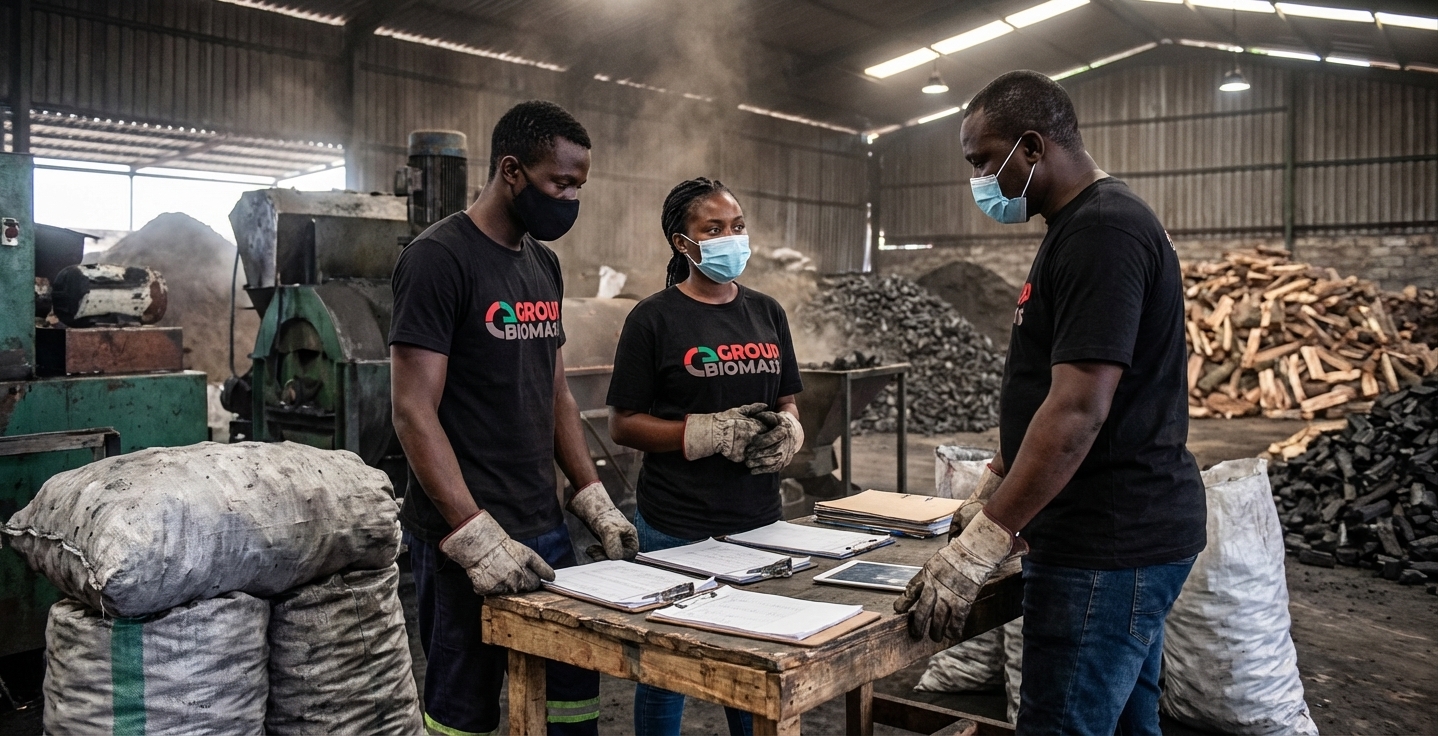
Deep within Cameroon , a massive facility stands as a testament to the growing demand for charcoal . This commercial complex, reportedly the nation’s largest wood plant , is drawing attention for both its output and the evident environmental ramifications. While creating employment for local communities, the plant’s operations are triggering debate about responsible forest harvesting and the long-term preservation of the nation's woodlands .
Hardwood Briquet Carbon Sale Boom: The Emerging Star
Cameroon is experiencing a substantial surge in dense lump carbon shipments, positioning itself as a key nation in the global sector. Thanks to growing demand from the US and Asian markets, the country’s production of this sustainable fuel is rapidly expanding, offering valuable avenues for local communities and strengthening the national financial situation. The priority on responsibly harvested wood granulated carbon is demonstrating to be a essential factor in attracting foreign investors.
Inside Cameroon’s Hardwood Lump Charcoal Factory: Production & Sustainability
Stepping into a average Cameroon timber lump carbon factory uncovers a rather straightforward method of creation. Green trees, often obtained from responsible woodlands, are thoroughly cut and transported to a furnace. Inside, the lumber is slowly heated with restricted oxygen, a method that converts it to lump charcoal. Despite the traditional methods used can be demanding, growing contemporary factories are incorporating better processes and pursuing ways to improve their productivity and environmental responsibility. This includes investing in renewable energy and applying strict waste control plans.
Cameroon's Wood Charcoal Trade : A Major Role in Global Exports
Despite mounting environmental anxieties, Cameroon’s lump charcoal trade remains a surprising yet vital contributor in the global export market . The production of charcoal from trees is a essential origin of income for countless of local communities, particularly here in rural areas . This operation generates a substantial volume of charcoal shipped for international consumers, often fueling heating needs in other nations , though this dependence creates difficulties relating to woodland depletion and responsible forest protection.
La Entre Charbon de Bois Lump de Bois Dur vs. Des Briquettes Une Point de Vue Camerounaise
Dans le pays, le choix face à le charbon de bois dur en bloc et les briquettes interroge une interrogation . Classiquement, , le charbon de bois est utilisé afin de ses saveur distinctif et sa capacité de donner une chaleur forte, parfaite pour la grillades traditionnelles . Cependant, , les briquettes , davantage pratiques à acquérir et moins économiques , gagnent en attention, particulièrement dans les communautés citadines .
Sustainable Charcoal Creation : The Trajectory of Cameroon Timber Industry
The traditional method of charcoal manufacture in Cameroon presents a serious threat to its valuable hardwood woodlands . However, emerging sustainable techniques offer a hopeful path forward. These include technologies like agricultural waste processing and kiln-less earth systems, which reduce deforestation, lower emissions, and create economic opportunities for local villagers. Embracing these environmentally sound methods is crucial to preserving Cameroon's biological heritage and securing the long-term sustainability of its hardwood industry while tackling climate impacts .